

Bone-Appétit: A Guide to Bone Safety for Dogs
Bones have long been considered a staple in canine diets, particularly in natural or raw feeding practices. However, understanding bone safety for dogs is essential to ensure your pet stays healthy and avoids preventable risks. Feeding the wrong types of bones or improper handling can lead to serious health issues, making it crucial for pet owners to educate themselves on safe practices.
Are All Bones Safe for Dogs?
Not all bones are created equal when it comes to feeding dogs. Cooked bones, for example, can splinter easily, leading to choking hazards or internal injuries. On the other hand, when chosen carefully, raw bones provide essential nutrients and satisfy a dog’s instinct to chew. Weight-bearing bones from large animals, such as beef femurs, are beneficial for dental health but should always be monitored during chewing.
Which Raw Bones Are Best for Dogs?
When it comes to bone safety for dogs, selecting the right raw bones is vital. Some of the best options include:
- Recreational Bones: These large, hard bones, like marrow bones, provide hours of chewing enjoyment without being fully consumed. They help clean teeth and strengthen jaws.
- Edible Bones: Soft, pliable bones such as chicken necks and wings can be consumed entirely and are an excellent source of calcium and phosphorus.
It’s essential to match the size of the bone to your dog. Too small, and it could become a choking hazard. Too large, and it may cause dental fractures or discourage chewing altogether.
How Can You Safely Introduce Bones Into Your Dog’s Diet?
Proper introduction is key to bone safety for dogs. Start by selecting a raw bone that suits your dog’s size and chewing habits. Always supervise the first few sessions to observe how your dog interacts with the bone. If they show signs of aggression, excessive gulping, or struggle to chew properly, reassess the bone type or size.
Store them in a freezer until ready for use, and discard once the dog has consumed the meat and marrow on the bones. Large bones can be used over multiple sessions, simply rinse under cold water and refreeze until the next session.
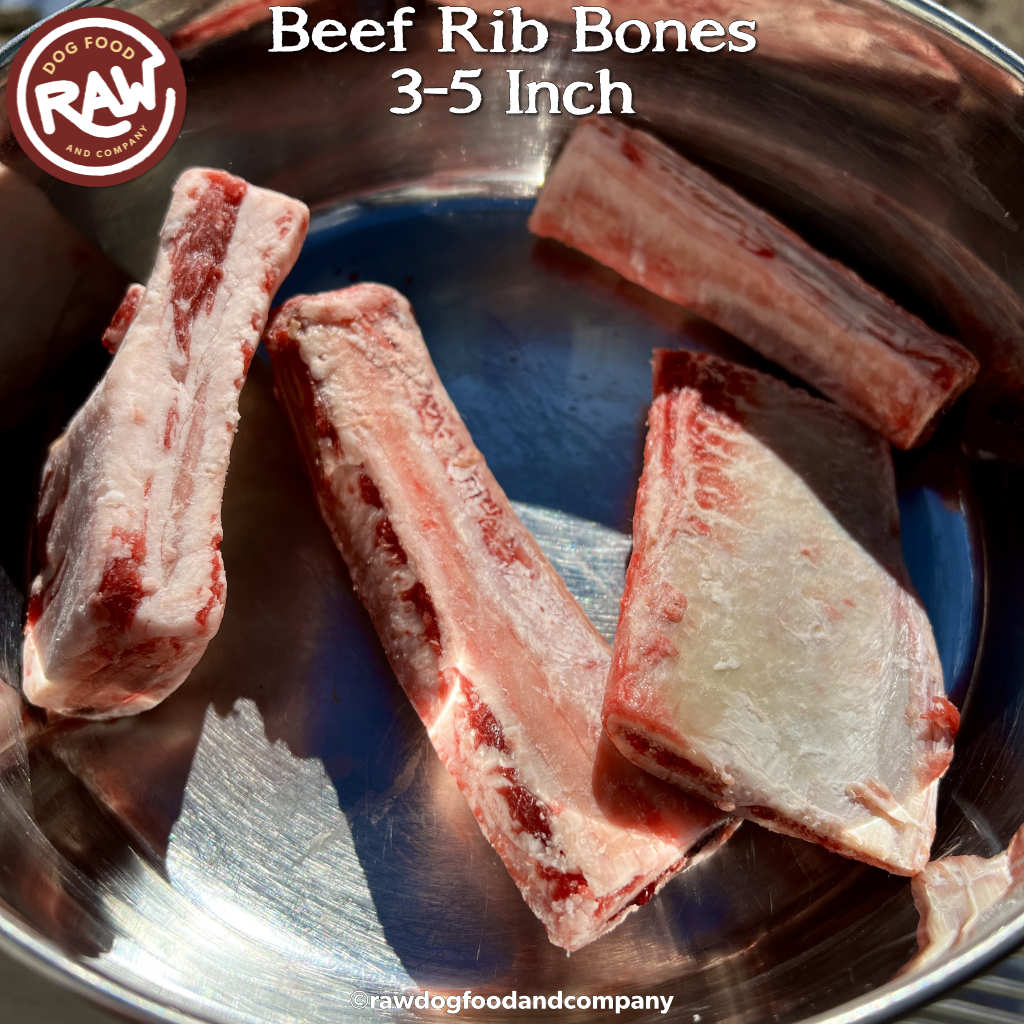
Beef Rib Bones (5 lb)
What Are the Benefits of Bones for Dogs?
Bones are a natural source of essential nutrients that contribute to your dog’s overall health. Chewing raw bones can:
- Support Dental Hygiene: Gnawing on raw bones helps scrape away plaque and tartar, reducing the risk of gum disease.
- Provide Mental Stimulation: Chewing satisfies natural instincts and alleviates boredom.
- Improve Nutrition: Bones are rich in calcium, phosphorus, and other vital minerals, promoting strong bones and healthy growth.
Ready to Learn More About Raw Feeding and Canine Wellness?
For pet owners committed to holistic care, bone safety for dogs is just one part of the equation. Explore the benefits of raw feeding and get expert advice by tuning into “THE RAW DOG FOOD TRUTH PODCAST.” Gain deeper insights into promoting a healthier, more natural lifestyle for your beloved pets.

